.jpg?language=en)
General News
All Audiences
Are you recycling right? Common recycling myths explained
Most people want to do the right thing when it comes to recycling, but some everyday items can cause confusion.
To help keep recycling on track, here are some common recycling myths and what to do instead.
Myth #1: If it's plastic, it can go in the recycling bin
Not all plastics are recyclable through your kerbside recycling service.
✅ Most plastic bottles (lids off), fruit punnets, and rigid plastic containers can go in your yellow-lidded bin
❌ Soft plastics such as bread bags, chip packets, and cling wrap cannot
Not sure why it goes? Check out this handy website.
Myth #2: Recycling doesn't need to be clean
Food and liquid residue can contaminate recyclable materials.
Before placing items in your recycling bin:
- Empty contents completely
- Give containers a quick rinse
- Let them dry where possible
Myth #3: Anything made from cardboard can be recycled
Clean cardboard is great for recycling, but food-contaminated cardboard is not.
✅ Dry, clean cardboard boxes and packaging
❌ Greasy pizza boxes or cardboard heavily contaminated with food
When in doubt, tear off and recycle the clean portions and place contaminated sections in your general waste bin.
Myth #4: Containers are best recycled in the yellow bin
While drink containers can be recycled through your yellow-lidded bin, eligible containers can also be returned through Containers for Change.
Every container returned through the program helps reduce litter and supports community fundraising efforts.
Did you know? There are more than 80 Containers for Change exchange points located on public bins throughout Mandurah, making it easy to recycle on the go.
You can also donate your 10c refund to a good cause.
Myth #5: It's okay to put recycling in a plastic bag
Recyclables should always be placed loose in your yellow-lidded bin, as bagged recyclables automatically get sent to landfill.
Top tips for better recycling
Remember to only recycle these five:
- Paper
- Cardboard
- Glass bottles and jars (remove lids and place in your general waste bin)
- Plastic bottles and containers
- Steel and aluminium (including cans and tinfoil)
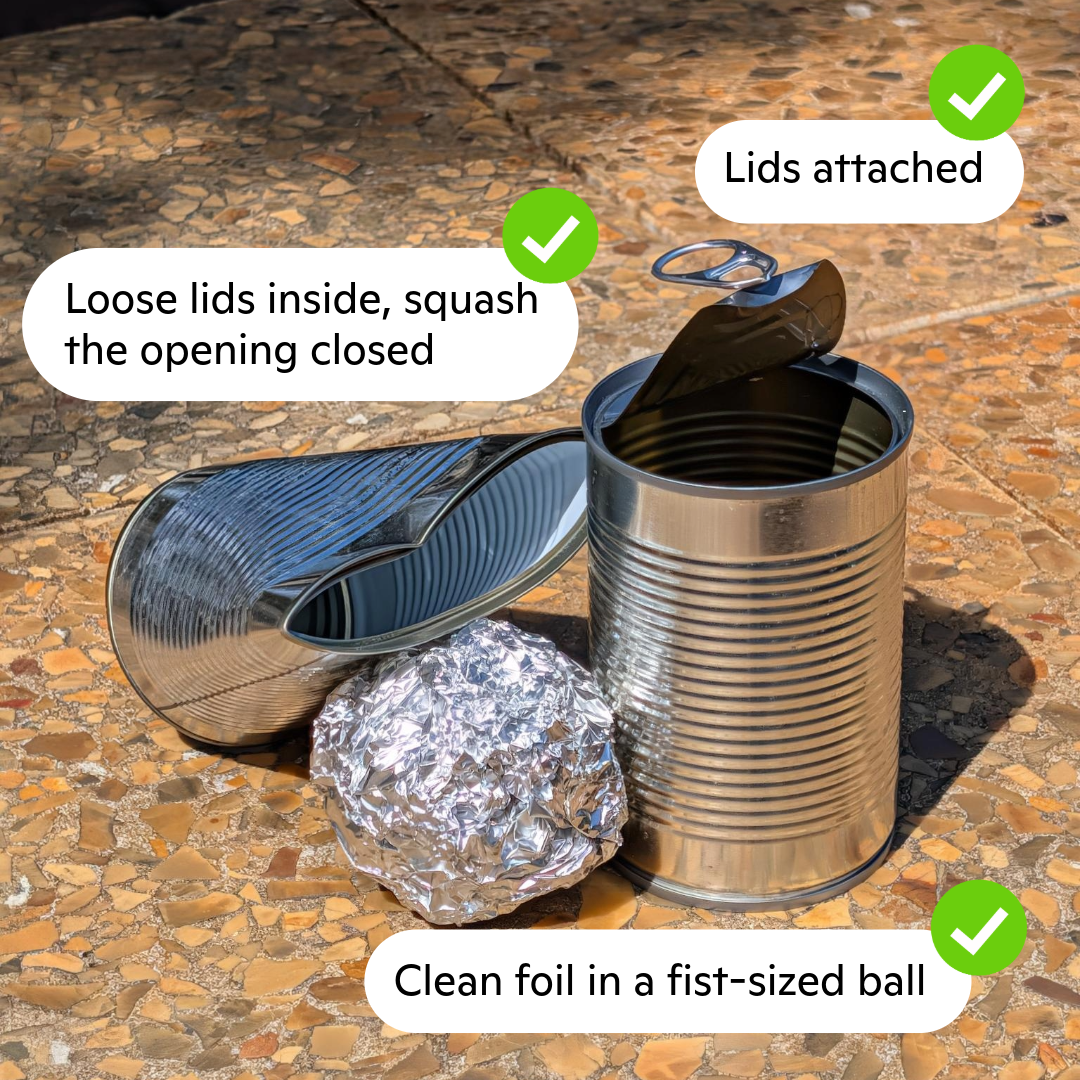
Many items that can't be recycled at home can still be recovered through other recycling programs and drop-off locations.
The City offers free recycling hubs for batteries and other problem wastes, while the Waste Management Centre accepts a range of items that can't go in your kerbside bins, such as e-waste.
Bin day best practice
To avoid missing collection, place your bins on the verge by 6am on your scheduled collection day.
Position your bins with the lid opening facing the road and allow enough space between bins and other objects so collection vehicles can safely access them.
Every item counts
Small actions make a big difference. By recycling correctly, using alternative recycling programs such as Containers for Change, and keeping contamination out of your yellow-lidded bin, you're helping recover valuable resources and reduce waste sent to landfill.
Published On
Monday, 02 November 2026